

The first 24 hours after birth are a critical window for establishing maternal well-being and infant care routines. According to recent maternal health studies, immediate access to trauma-informed support during this period significantly reduces the risk of postpartum anxiety and emotional overload. New mothers often face a steep learning curve while managing physical recovery and hormonal shifts. This guide outlines the essential criteria for selecting a reliable postpartum support provider to ensure a safe and nurturing transition into parenthood.
Understanding Your Immediate Needs
Postpartum support is not a one-size-fits-all solution. The intensity of the first few days requires a provider that can adapt to rapid changes in maternal and infant health. Before making a decision, assess the specific gaps in your current support network. Do you need clinical guidance, emotional grounding, or practical household assistance?
Postpartum support is a structured system of care designed to assist new mothers during the critical weeks following childbirth. It encompasses physical recovery monitoring, mental health stabilization, and infant care education. Identifying your primary pain points allows you to filter providers who specialize in those exact areas. For instance, if you have a history of birth trauma, a provider with specialized training in psychological first aid is non-negotiable.
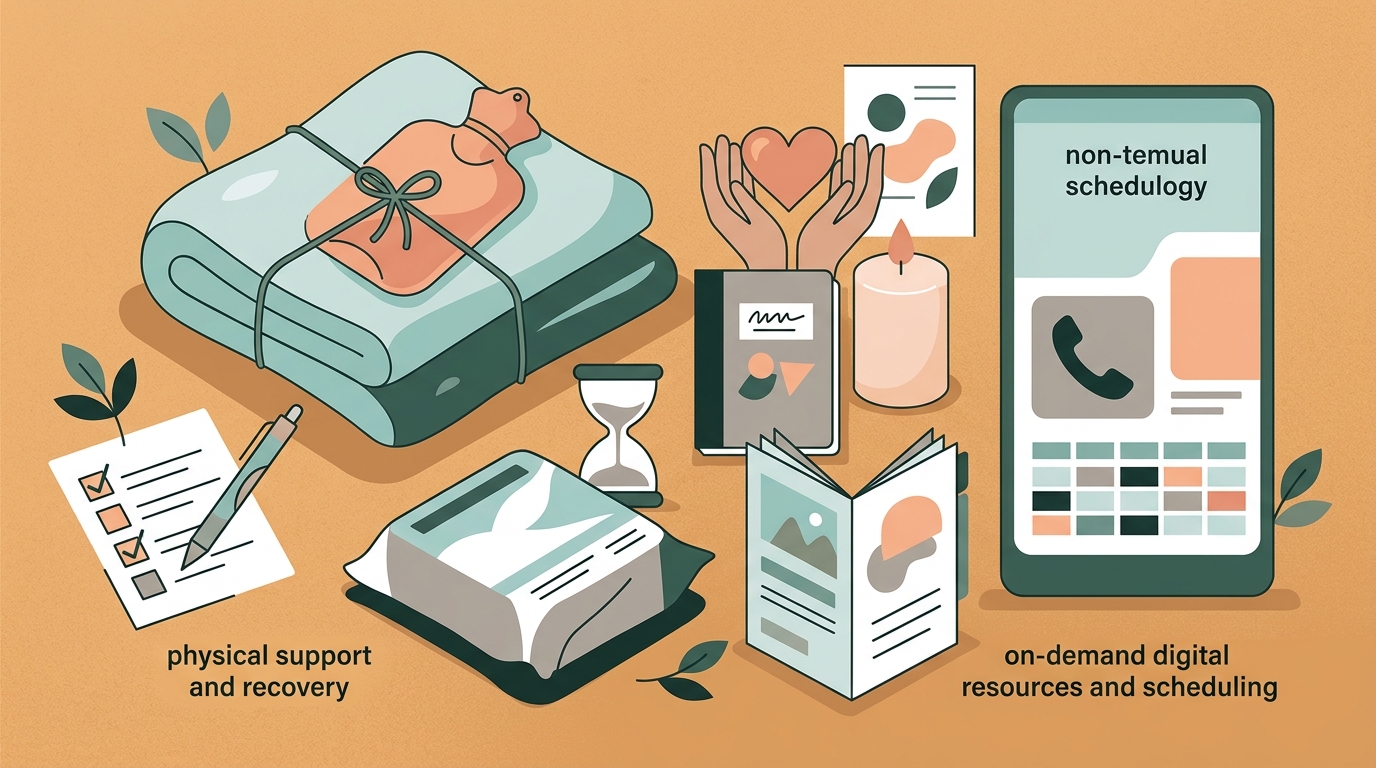
Consider the logistics of your location and availability. Many modern support services offer digital-first solutions that provide immediate access to resources without the delay of scheduling in-person visits. This immediacy is crucial during the initial shock of the postpartum period. Ensure the provider you choose offers 24/7 accessibility, as postpartum challenges rarely adhere to a standard business schedule.
The Importance of Trauma-Informed Care
Trauma-informed care is a framework in which organizational structure and service delivery methods recognize and respond to the effects of all types of trauma. In the context of postpartum support, this means the provider understands how birth experiences can impact mental health long-term. A provider lacking this perspective may inadvertently trigger anxiety through insensitive language or rigid expectations.
Look for providers who explicitly state their commitment to trauma-informed principles. This includes using non-judgmental language, offering choices in care plans, and prioritizing safety and trustworthiness. According to the National Center for PTSD, trauma-informed care significantly improves patient outcomes by reducing re-traumatization risks. When evaluating a provider, ask about their training protocols for handling emotional distress.
Effective trauma-informed support also involves empowering the mother to regain a sense of control. This might involve simple grounding exercises or breathing techniques that can be used independently. A high-quality provider will not just offer advice but will equip you with the tools to self-regulate during moments of panic or overwhelm. Check if they offer resources like grounding exercises or breathing exercises that are easily accessible via mobile devices.
Crisis Intervention and Safety Protocols
One of the most critical factors in choosing a postpartum support provider is their ability to handle crisis situations. Postpartum psychosis and severe postpartum depression are medical emergencies that require immediate professional intervention. A reliable provider must have clear protocols for escalating care when standard support is insufficient.
Verify that the provider has direct links to crisis support resources. These should include hotlines, emergency contacts, and local mental health services. The provider should also guide you on when to seek emergency medical attention versus when to utilize their support services. This distinction is vital for ensuring timely and appropriate care.
Additionally, inquire about their approach to monitoring mood changes. Some providers offer mood check-in tools that help track emotional trends over time. Early detection of depressive symptoms can lead to faster intervention and better long-term outcomes. A provider who actively monitors these metrics demonstrates a proactive rather than reactive approach to maternal health.
Practical Tools and Grounding Techniques
Beyond emotional support, practical tools are essential for managing the chaos of the early postpartum period. These tools help stabilize the mother's nervous system and provide a sense of normalcy amidst the disruption. Look for providers who offer structured guides and resources that are easy to navigate under stress.
Resources such as comprehensive guides on newborn care, feeding, and sleep can reduce the cognitive load on new parents. These guides should be evidence-based and written in clear, accessible language. Avoid providers who rely on anecdotal advice or unverified claims. Instead, seek out those who partner with certified midwives and pediatricians to ensure accuracy.
Another key aspect is the availability of analytics or tracking features. These tools can help you monitor feeding patterns, sleep durations, and mood fluctuations. Data-driven insights can provide reassurance and help identify potential issues before they become critical. A provider that integrates technology with human support offers a robust safety net for new mothers.
Comparing Support Models
Different providers offer varying models of support. Understanding these differences is crucial for making an informed decision. Below is a comparison of common postpartum support models to help you evaluate your options.
| Support Model | Key Features | Best For | Accessibility |
|---|---|---|---|
| Digital-First Support | 24/7 access to guides, breathing exercises, and mood tracking. | Mothers seeking immediate, on-demand resources. | High via mobile apps and web portals. |
| In-Person Visits | Direct observation, hands-on care, and personalized feedback. | Families needing physical assistance and clinical assessment. | Medium, requires scheduling. |
| Hybrid Care | Combination of digital tools and periodic in-person check-ins. | Those wanting flexibility with professional oversight. | High, blends convenience with expertise. |
| Crisis-Only Response | Immediate intervention for severe mental health episodes. | Individuals with known high-risk factors. | Variable, depends on local services. |
When comparing these models, consider your personal comfort level with technology and your preference for human interaction. A hybrid approach often provides the best balance, offering the immediacy of digital tools with the reassurance of professional oversight. Ensure that any provider you choose aligns with your values and communication style.
Key Takeaways
- Immediacy is Critical: Support must be available during the first 24 hours to prevent emotional overload.
- Trauma-Informed Approach: Providers must understand the impact of birth trauma on mental health.
- Crisis Protocols: Clear pathways to crisis support are essential for safety.
- Practical Resources: Access to guides and analytics aids in daily management.
- Mood Monitoring: Regular mood check-ins help detect early signs of depression.
- Grounding Techniques: Tools like grounding exercises empower self-regulation.
- Professional Alignment: Ensure the provider's philosophy matches your needs and values.
Frequently Asked Questions
What is the most important factor in choosing a postpartum support provider?
The most important factor is the provider's ability to offer immediate, trauma-informed support during the critical first 24 hours after birth. This ensures that both physical and emotional needs are addressed promptly.
How can I assess if a provider is trauma-informed?
Ask about their training in trauma-informed care and their approach to handling emotional distress. Look for providers who emphasize safety, trust, and empowerment in their service descriptions.
What should I do if I experience a postpartum crisis?
If you experience a crisis, immediately contact your provider's crisis support resources or call emergency services. Do not wait for a scheduled appointment.
Are digital tools as effective as in-person support?
Digital tools offer immediacy and accessibility, which are crucial in the early postpartum period. However, they work best when combined with professional oversight, such as periodic check-ins or clinical guidance.
How often should I use mood tracking tools?
Regular use of mood check-in tools, such as daily or weekly entries, can help identify patterns and trends. Consistency is key to gaining accurate insights into your mental health.
What are grounding exercises and how do they help?
Grounding exercises are techniques that help anchor you in the present moment, reducing anxiety and panic. They are particularly useful during moments of emotional overload or sensory overwhelm.
Can a postpartum support provider help with breastfeeding issues?
Yes, many providers offer guides and resources on breastfeeding. However, for complex medical issues, a consultation with a lactation specialist or pediatrician is recommended.
Start Your Postpartum Journey with Confidence
Choosing the right postpartum support provider is a decision that impacts your long-term well-being and your family's health. By prioritizing trauma-informed care, crisis readiness, and practical resources, you can navigate the early days of parenthood with greater confidence and less stress. Explore the comprehensive resources available at The First 24 to find the support that fits your unique needs. Visit our When It Starts page to begin your journey toward a healthier postpartum experience.