

The first twenty-four hours after birth represent a profound physiological and emotional threshold for new mothers. During this critical window, the body undergoes rapid adjustments as it transitions from pregnancy to postpartum recovery. According to recent maternal health data, approximately 20% of new mothers experience significant emotional distress during this initial period, highlighting the necessity for immediate, trauma-informed support. This guide outlines the physical sensations, emotional shifts, and practical steps you can take to navigate this intense phase with confidence and care.
Physical Recovery and Bodily Changes
Immediately after delivery, your body begins a rapid process of involution. The uterus, which expanded significantly during pregnancy, starts to contract to return to its pre-pregnancy size. These contractions, often referred to as afterpains, can feel like strong menstrual cramps. While uncomfortable, they are essential for reducing postpartum bleeding and promoting healing.
Postpartum bleeding, known as lochia, is another normal physiological response. Initially, the flow may be heavy and bright red, gradually lightening to pink or brown over the following weeks. It is crucial to monitor the volume of bleeding. Soaking through more than one sanitary pad per hour is a sign that requires immediate medical attention. According to ACOG guidelines, monitoring lochia is a primary indicator of postpartum hemorrhage risk.
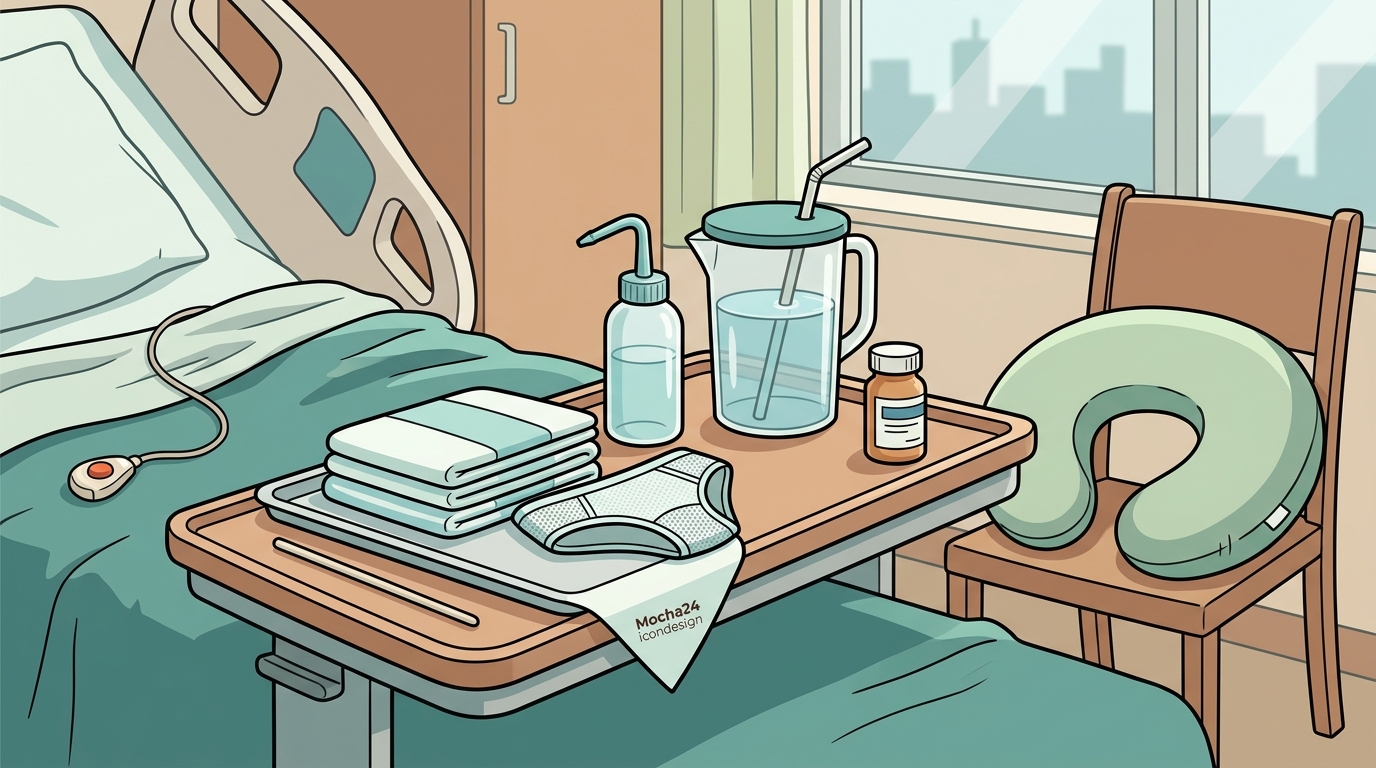
Perineal soreness is common for those who experienced vaginal delivery. Swelling and bruising are typical in the first few days. Applying ice packs and using a peri-bottle with warm water for gentle cleansing can provide significant relief. For cesarean sections, the incision site requires careful monitoring for signs of infection, such as increased redness, warmth, or discharge.
Pain Management Strategies
Effective pain management is vital for early recovery. Healthcare providers often recommend a combination of over-the-counter anti-inflammatory medications and acetaminophen. Staying hydrated and resting whenever possible supports the body's natural healing processes. Do not hesitate to ask your care team for additional support if pain feels unmanageable.
Understanding the Emotional Landscape
Emotional fluctuations are a standard part of the postpartum experience. The "baby blues" affect up to 80% of new mothers, characterized by mood swings, crying spells, anxiety, and difficulty sleeping. These feelings typically peak around day three to five and resolve within two weeks. However, the intensity of emotions can vary widely depending on individual history and birth experience.
Postpartum anxiety is a distinct condition that requires specific attention. It involves persistent worry, racing thoughts, and physical symptoms of anxiety that do not subside with rest. Data from the National Institute of Mental Health indicates that postpartum anxiety affects approximately 10% to 20% of new mothers, often co-occurring with depression.
Recognizing the difference between normal adjustment and clinical anxiety is key. If feelings of overwhelm persist beyond the first week or interfere with your ability to care for yourself or your baby, professional support is necessary. The Mood Check In tool on The First 24 provides a structured way to assess your emotional state during this critical period.
Trauma-Informed Support
Birth experiences can leave lasting psychological imprints. For those who experienced a traumatic birth, the first 24 hours can trigger flashbacks or heightened stress responses. Trauma-informed care prioritizes safety, trust, and empowerment. While Its Happening offers immediate, real-time guidance for navigating these intense moments, helping to mitigate panic and emotional overload.
Breastfeeding and Feeding Challenges
Initiating breastfeeding or bottle-feeding is a significant milestone in the first 24 hours. For breastfeeding mothers, the first latch can be challenging. Proper positioning and latching techniques are essential to prevent nipple pain and ensure adequate milk transfer. Lactation consultants are available to provide hands-on support during this initial period.
Colostrum, the first form of milk, is rich in antibodies and nutrients. It is produced in small quantities, which is sufficient for the newborn's tiny stomach capacity. Frequent feeding, ideally every two to three hours, helps stimulate milk production and ensures the baby receives necessary hydration and nutrition.
For those choosing formula feeding, it is equally important to establish a feeding routine. Bonding through skin-to-skin contact and responsive feeding practices supports infant development regardless of the feeding method. Guides on The First 24 offer detailed instructions for both breastfeeding and formula feeding, ensuring you have the resources you need.
Monitoring Milk Supply
Concerns about milk supply are common in the first week. It is normal for milk to "come in" around day three to five, accompanied by breast engorgement. Keeping track of wet and dirty diapers is a reliable indicator of whether the baby is receiving enough milk. According to the American Academy of Pediatrics, monitoring diaper output is a primary method for assessing infant hydration and nutrition.
Grounding Techniques for Overwhelm
During the first 24 hours, sensory overload is common. The combination of pain, fatigue, and new responsibilities can lead to feelings of panic. Grounding exercises are effective tools for managing these moments. These techniques help bring your focus back to the present moment, reducing anxiety and promoting calm.
One effective method is controlled breathing. Inhaling deeply through the nose and exhaling slowly through the mouth can activate the parasympathetic nervous system, promoting relaxation. Breathing Exercise resources on The First 24 provide guided instructions for this technique, helping to manage panic and emotional overload.
Another technique is sensory grounding. Identifying five things you can see, four you can touch, three you can hear, two you can smell, and one you can taste can help anchor you in the present. Grounding Exercise tools are available to support you through these moments of distress.
Prioritizing Rest
Rest is not a luxury; it is a medical necessity for postpartum recovery. Sleep deprivation can exacerbate emotional distress and physical pain. Prioritize naps when the baby sleeps, and delegate tasks such as cooking and cleaning to family and friends. Resources on The First 24 include checklists and schedules to help you organize support and prioritize rest.
When to Seek Immediate Help
While many symptoms are normal, certain signs indicate a medical emergency. Heavy bleeding, severe abdominal pain, chest pain, shortness of breath, or signs of infection at the incision site require immediate medical attention. Crisis Support on The First 24 provides direct access to vital support organizations for these urgent situations.
Emotional crises are equally important. If you experience thoughts of harming yourself or your baby, seek help immediately. Postpartum psychosis is a rare but serious condition that requires urgent intervention. Postpartum Support International offers a helpline and resources for those in crisis.
Emergency Contacts
Keep a list of emergency contacts readily available. This should include your obstetrician, pediatrician, and local emergency services. Knowing when and how to seek help can provide peace of mind during the first 24 hours.
Key Takeaways
- Physical Recovery: Afterpains and lochia are normal; monitor bleeding volume closely.
- Emotional Health: Baby blues are common, but persistent anxiety requires professional support.
- Feeding: Frequent feeding supports milk supply and infant nutrition.
- Grounding: Breathing and sensory exercises help manage sensory overload.
- Rest: Prioritize sleep and delegate tasks to aid recovery.
- Warning Signs: Heavy bleeding or severe pain requires immediate medical attention.
- Support: Utilize trauma-informed resources for emotional stability.
Frequently Asked Questions
How long does the first 24 hours postpartum last?
The first 24 hours begin immediately after birth and end one day later. This period is critical for monitoring physical and emotional health.
What is the most common physical symptom in the first 24 hours?
Afterpains, or uterine contractions, are the most common physical symptom as the uterus returns to its pre-pregnancy size.
When should I be concerned about postpartum bleeding?
Soaking through more than one pad per hour or passing large clots is a sign of potential hemorrhage and requires immediate medical attention.
How can I manage postpartum anxiety?
Grounding exercises, breathing techniques, and seeking professional support are effective ways to manage postpartum anxiety.
Is it normal to feel overwhelmed in the first 24 hours?
Yes, sensory overload and emotional fluctuations are common. Utilizing support resources can help manage these feelings.
What is the role of a lactation consultant?
A lactation consultant provides hands-on support for breastfeeding, helping with latching, positioning, and milk supply concerns.
When do baby blues typically resolve?
Baby blues usually peak around day three to five and resolve within two weeks. Persistent symptoms may indicate postpartum depression.
Start Your Postpartum Journey with Confidence
Navigating the first 24 hours postpartum can be challenging, but you do not have to do it alone. The First 24 provides immediate, trauma-informed support to help you manage panic and emotional overload. Access our comprehensive resources today to ensure a smoother transition into motherhood. Book a consultation or explore our When It Starts guide for personalized support.