
Postpartum emotional overload is a widespread physiological and psychological response that affects a significant portion of new mothers during the critical first hours after birth. According to the National Institute of Mental Health, approximately 1 in 8 women experience symptoms of postpartum depression, which often begins with acute anxiety and emotional flooding immediately following delivery. This intense period requires immediate, trauma-informed support to manage panic and emotional overload effectively. The First 24 provides a dedicated framework for navigating these intense first hours, ensuring that new mothers have access to calming guides and direct support when they need it most.
Understanding Emotional Overload
Emotional overload in the postpartum period is not a sign of weakness. It is a complex interplay of hormonal shifts, sleep deprivation, and the sudden responsibility of caring for a newborn. Postpartum anxiety is defined as a state of excessive worry and fear regarding the health and safety of the newborn. This condition can manifest as panic attacks, racing thoughts, or an inability to relax even when the baby is sleeping.
The first 24 hours after birth are particularly volatile. During this window, the body undergoes rapid changes, and the mother is often navigating the physical recovery of birth while simultaneously processing the emotional weight of new parenthood. According to data from the World Health Organization, mental health conditions are among the leading causes of morbidity in women of reproductive age, highlighting the importance of immediate intervention during this critical period.
Recognizing the signs of emotional overload is the first step toward management. These signs include difficulty breathing, a feeling of impending doom, irritability, and a sense of detachment from the baby or partner. If you are experiencing these symptoms, it is crucial to access support immediately. The First 24 offers a While Its Happening guide designed to provide real-time assistance during these intense moments.
Immediate Grounding Techniques
Grounding is a therapeutic technique used to help individuals reconnect with the present moment and reduce the intensity of emotional distress. When emotional overload strikes, the brain's amygdala, which processes fear, becomes hyperactive. Grounding exercises help to calm this response by engaging the senses.
The 5-4-3-2-1 Method
This technique is highly effective for acute anxiety. It involves identifying five things you can see, four things you can touch, three things you can hear, two things you can smell, and one thing you can taste. This process forces the brain to shift focus from internal panic to external reality. The First 24 provides a dedicated Grounding Exercise page that walks you through this process step-by-step.
Physical Anchoring
Physical anchoring involves using touch to create a sense of stability. This can be as simple as holding a cold glass of water, pressing your feet firmly into the floor, or hugging a pillow tightly. These physical sensations provide a counterbalance to the emotional chaos. For more structured guidance, you can explore the Guides section on The First 24, which offers various techniques tailored to different types of distress.
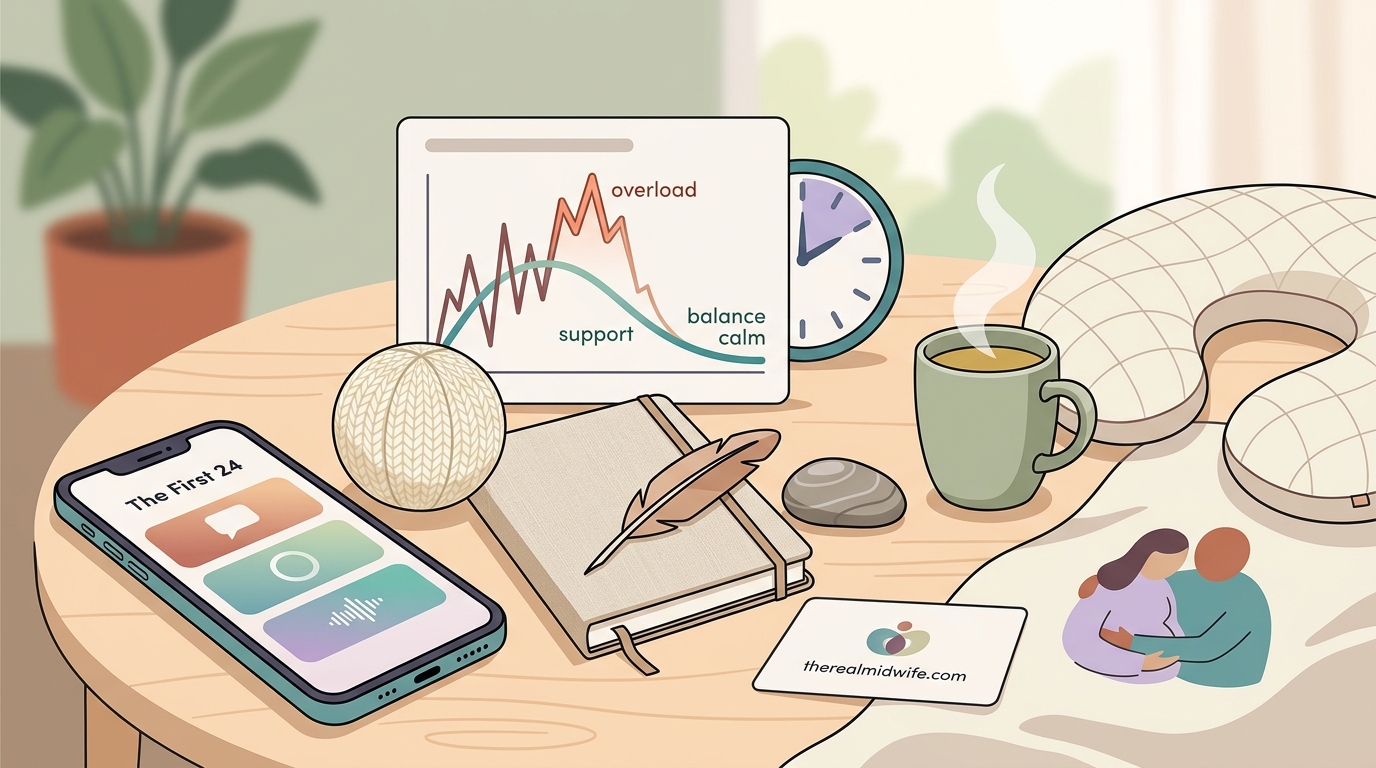
Breathing Methods for Calm
Breathing is the most immediate tool available for regulating the nervous system. When we are stressed, our breathing becomes shallow and rapid. Deliberately slowing down the breath signals the parasympathetic nervous system to activate the "rest and digest" response.
Box Breathing
Box breathing is a technique used by Navy SEALs to maintain calm under pressure. It involves inhaling for four seconds, holding for four seconds, exhaling for four seconds, and holding for four seconds. This rhythmic pattern helps to regulate heart rate and reduce cortisol levels. The First 24 offers a specific Breathing Exercise resource that includes voice-overs to guide you through this process.
Diaphragmatic Breathing
Also known as belly breathing, this method involves breathing deeply into the diaphragm rather than the chest. This type of breathing maximizes oxygen exchange and promotes relaxation. According to research published in the Journal of Clinical Psychology, diaphragmatic breathing can significantly reduce symptoms of anxiety and depression in postpartum women. For personalized guidance, visit the When It Starts section for early intervention strategies.
Mood Assessment and Tracking
Monitoring your emotional state is crucial for early detection of postpartum mood disorders. Postpartum depression is defined as a mood disorder that begins within four weeks after childbirth. By tracking your mood, you can identify patterns and triggers that may contribute to emotional overload.
The Importance of Self-Monitoring
Regular mood checks allow you to stay aware of your emotional baseline. This awareness can help you distinguish between normal postpartum adjustments and symptoms that require professional intervention. The First 24 provides a Mood Check In tool that simplifies this process, allowing you to log your feelings quickly and easily.
Using Analytics for Insight
Understanding your emotional data can empower you to make better decisions about your care. The Analytics feature on The First 24 helps you visualize your mood trends over time. This data can be shared with healthcare providers to facilitate more accurate diagnoses and treatment plans. According to a study in the Journal of Affective Disorders, self-monitoring of mood is associated with improved outcomes in postpartum depression treatment.
Crisis Resources and Support
There are times when emotional overload becomes unmanageable, and immediate professional help is required. Postpartum psychosis is defined as a rare but severe mental illness that involves a loss of contact with reality. This condition requires urgent medical attention and should never be ignored.
When to Seek Emergency Help
If you experience thoughts of harming yourself or your baby, or if you feel detached from reality, seek emergency help immediately. Call emergency services or go to the nearest emergency room. The First 24 provides a Crisis Support page with direct links to hotlines and emergency resources.
Accessing Ongoing Support
Recovery from postpartum emotional overload is a journey. It often involves a combination of therapy, medication, and social support. The Resources section on The First 24 offers a comprehensive list of support groups, therapists, and educational materials. According to the American Psychological Association, social support is a key protective factor against postpartum depression.
Key Takeaways
- Emotional overload is a common response to the hormonal and physical changes of childbirth.
- Grounding techniques, such as the 5-4-3-2-1 method, can help reduce acute anxiety.
- Breathing exercises like box breathing activate the parasympathetic nervous system.
- Regular mood tracking helps identify patterns and triggers for emotional distress.
- Postpartum psychosis is a medical emergency requiring immediate professional intervention.
- The First 24 provides trauma-informed support for the first 24 hours after birth.
- Accessing crisis resources is critical when emotional symptoms become unmanageable.
Frequently Asked Questions
What is the difference between baby blues and postpartum depression?
Baby blues typically begin two to three days after birth and resolve within two weeks. Postpartum depression symptoms are more severe, last longer, and may require professional treatment.
How can I help a partner who is experiencing emotional overload?
Listen without judgment, encourage them to use grounding techniques, and help them access professional resources like the Crisis Support page.
Is it normal to feel overwhelmed in the first 24 hours?
Yes, the first 24 hours are a period of intense transition. The First 24 is designed specifically to support you through this time.
What should I do if I feel detached from my baby?
This can be a sign of postpartum depression or anxiety. Seek immediate help from a healthcare provider or use the Mood Check In tool to assess your symptoms.
How does breathing help with anxiety?
Deep breathing stimulates the vagus nerve, which helps to lower heart rate and promote relaxation.
Are there free resources available for postpartum support?
Yes, The First 24 offers free guides and exercises. Additionally, many local health departments provide free postpartum support groups.
What is the role of sleep in postpartum mental health?
Sleep deprivation exacerbates emotional instability. Prioritizing rest, even in short bursts, is crucial for mental well-being.
Get Immediate Support
If you are struggling with emotional overload, you do not have to face it alone. The First 24 is here to provide immediate, trauma-informed support. Visit our Home page to access our comprehensive suite of tools, including grounding exercises, breathing guides, and crisis resources. Take the first step toward calm and clarity today.